
Financial Literacy
That Changes Lives
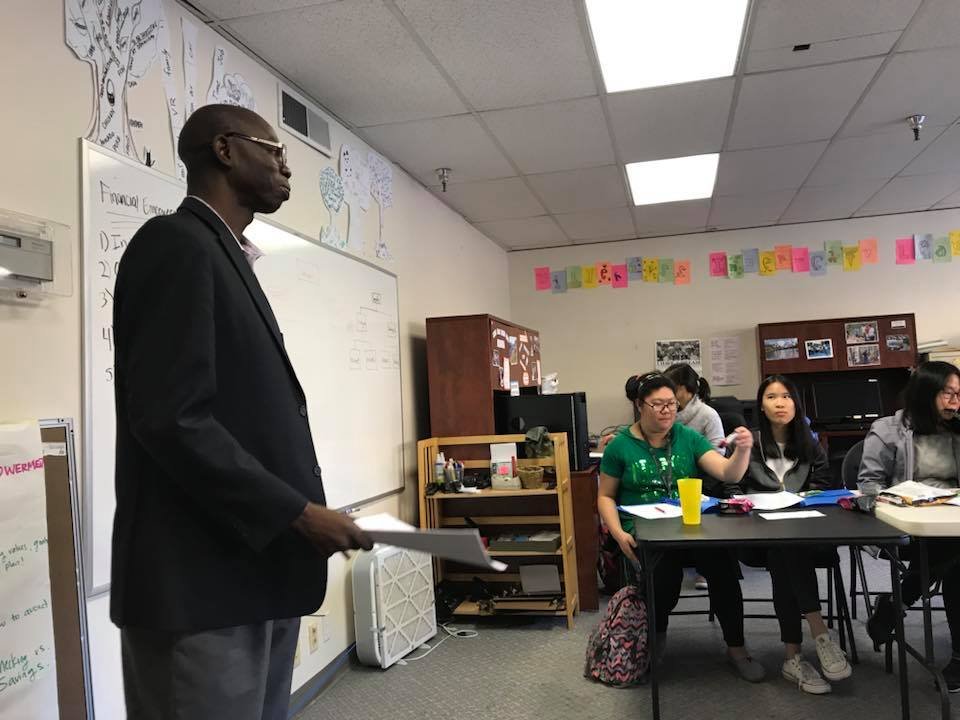
Knowledge is the most powerful financial tool you'll ever have. Our programs equip individuals and families with the skills to make smart money decisions, avoid predatory lending, and build lasting economic security.
The Challenge
Many low-income individuals lack access to financial education — leaving them vulnerable to scams, high-interest loans, and a cycle of growing debt.
Our Solution
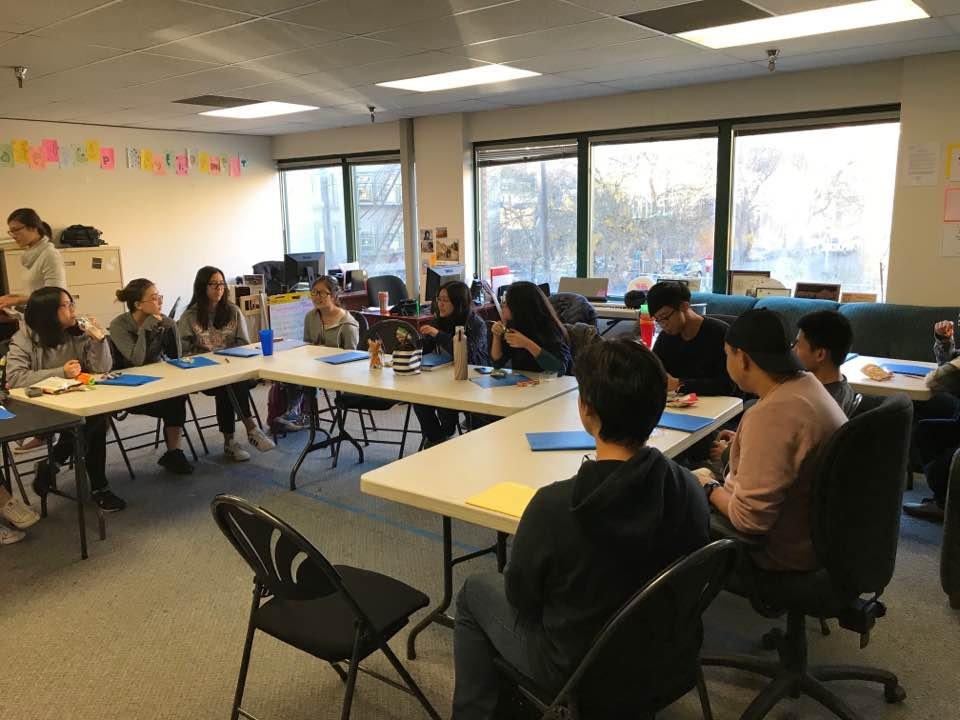
We deliver practical financial training that helps individuals understand lending risks, banking systems, saving strategies, investing basics, and smart credit use.
The Outcome
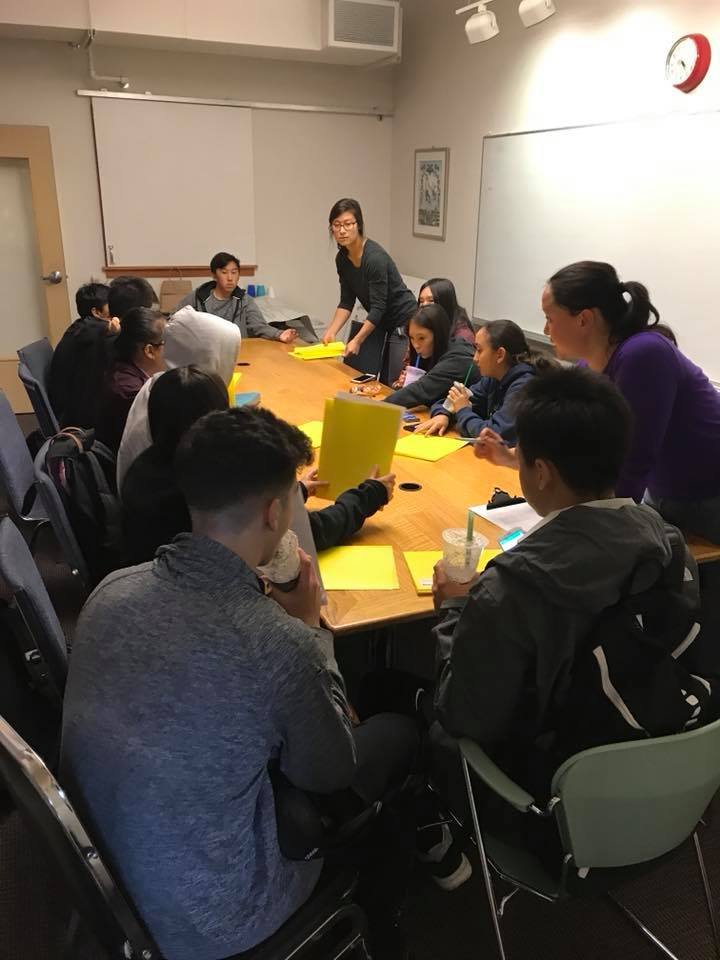
Financial confidence enables individuals to avoid harmful debt, make informed decisions, and build a foundation for long-term economic stability.
Six Core Modules to Build
Financial Confidence
Basic Banking & Budgeting
+- Using financial institutions effectively
- Reading and understanding financial statements
- Using electronic banking services
- Calculating interest and compound interest
- Opening and managing a checking account
- Exploring savings options and the importance of budgeting
Credit & Debt Management
+- Establishing and building credit
- Ordering and reading your credit report
- Identifying expenses and assessing assets vs. debts
- Understanding car ownership and leasing costs
- Repairing poor credit and securing loans
- Avoiding predatory lending and reducing debt
Income Planning, Risk Management & Taxes
+- Financial planning across different life stages
- Understanding insurance types and coverage
- Filing for Earned Income Tax Credit (EITC)
- Reading a paycheck (gross vs. net pay)
- Understanding tax obligations and avoiding penalties
Money Flow & Asset Creation
+- Recognizing how the economy is interconnected
- Applying economic concepts to personal finance
- Understanding basic investment principles
- Accessing community and financial resources
- Identifying accessible investment options
Individual Development Account (IDA)
+- Understanding and enrolling in the IDA program
- Using the IDA to build personal assets
- Setting financial goals and priorities
- Developing a spending plan and keeping accurate records
- Monitoring progress and overcoming barriers
Homeownership Preparation
+- What to look for when buying a home
- Working with mortgage lenders
- Identifying affordable homeownership programs for low-income families
Take Control of Your Financial Future
Whether you're just starting or looking to build long-term wealth, we're here to guide you.